-
Best Algebraic Chess Notation: How to Chess Notation
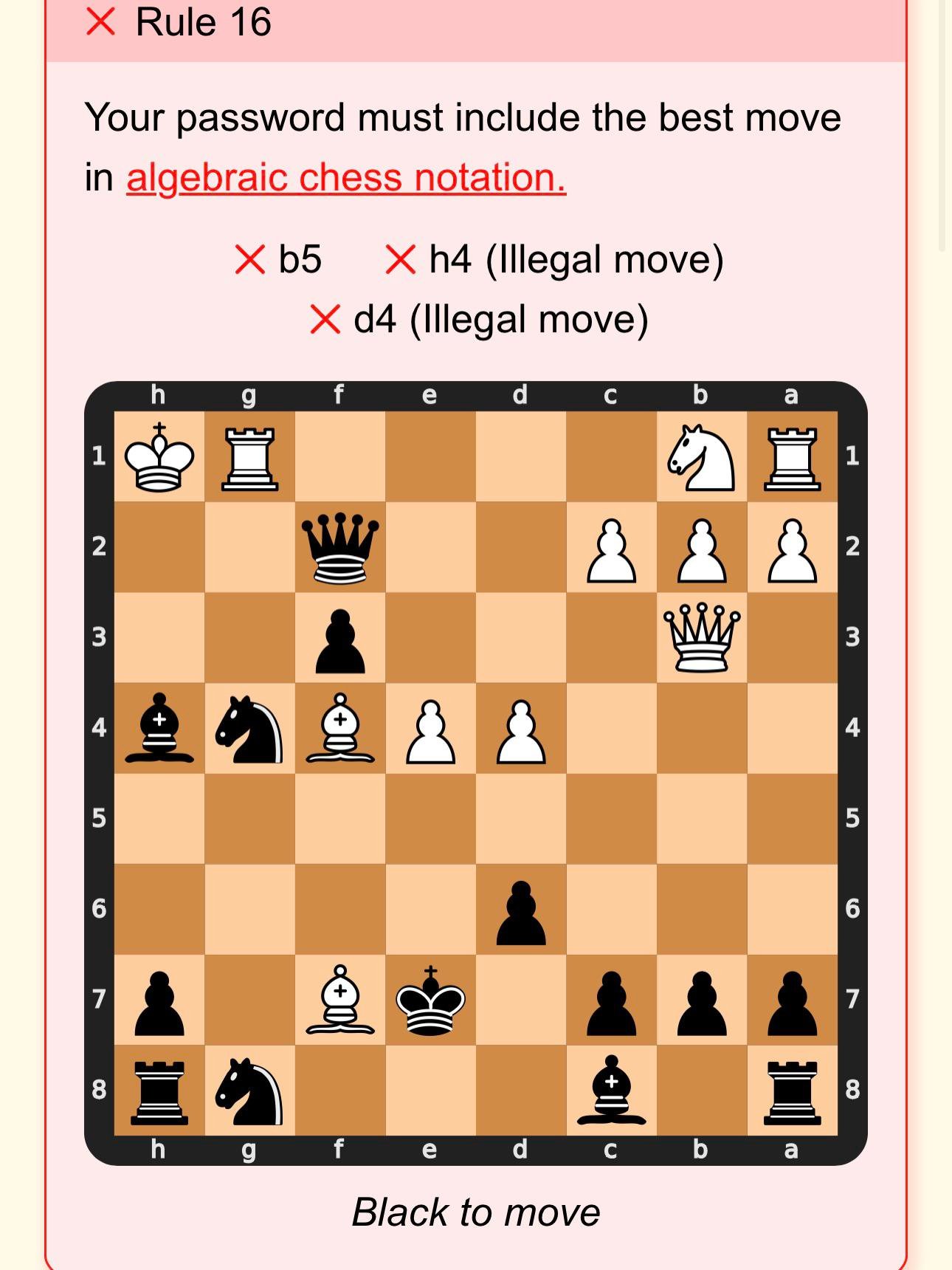
Algebraic chess notation is a concise way To record moves in a chess game. Utilizing The board’s coordinates & piece abbreviations. Each square is identified by its file (ah) & rank (18). While pieces are represented by letters: K for king. Q for queen. R for rook. B for bishop, & N for knight. Captures…
-
Do You Have to Say Check in Chess? Rules and Etiquette
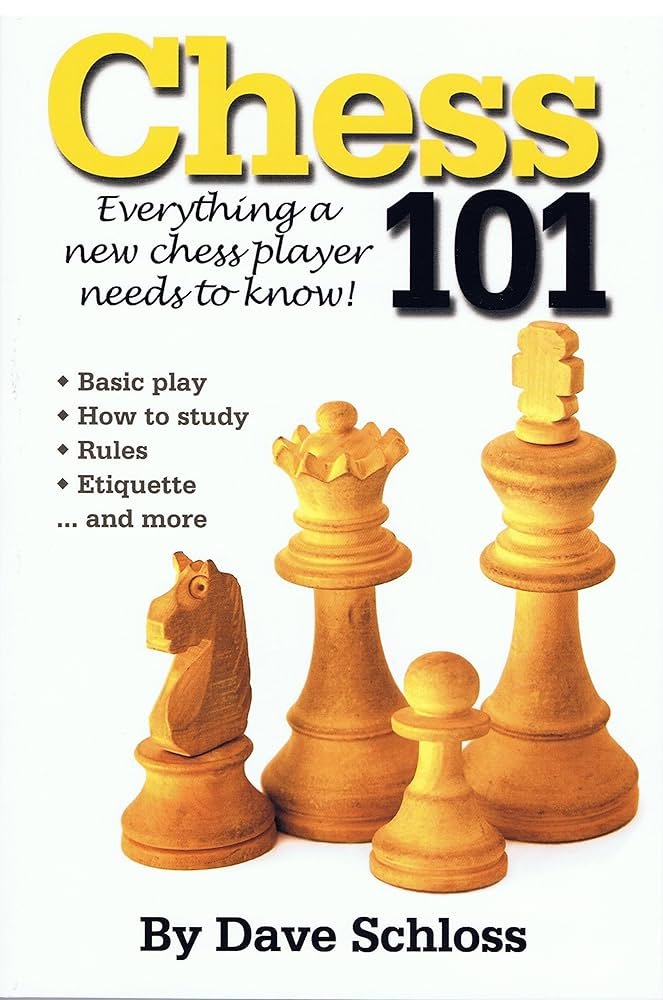
In chess. It is not mandatory To say “check” when putting your opponent’s king in check. But it is often considered courteous To do so. This practice serves as a polite reminder. Especially in informal settings or among beginners. In formal play. However. The obligation To announce check depends on The specific tournament rules. Ultimately.…
-
Chess Background: Wallpapers and Historical Context
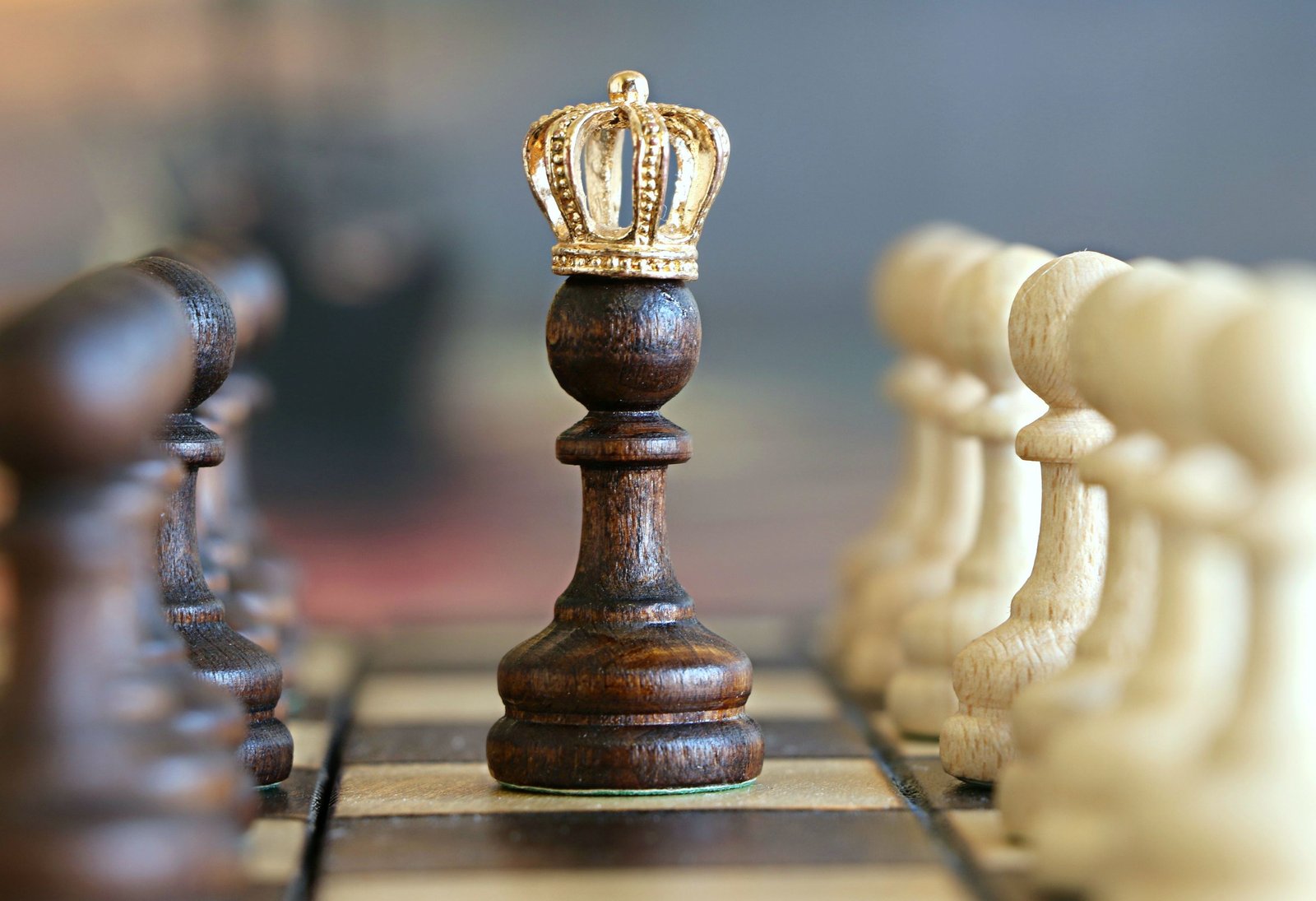
Chess. With roots tracing back To The 6th century in India. Has evolved through various cultures. Notably Persia & Europe. Shaping its rich history. The game symbolizes strategic thinking & intellectual prowess. Often depicted in art & literature. Wallpapers featuring iconic chess imagery capture this legacy. Blending aesthetics with The game’s dramatic moments & historical…
-
Where Can the Queen Move in Chess? the Piece
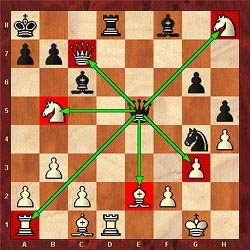
The queen in chess is The most powerful piece. Capable of moving any number of squares in a straight line—horizontally. Vertically. Or diagonally. This versatility allows her To control a significant portion of The board. Making her vital for both offense & defense. She can move freely through unoccupied squares but cannot jump over other…
-
Chess Calculation: How to Improve Your Analytical Skills
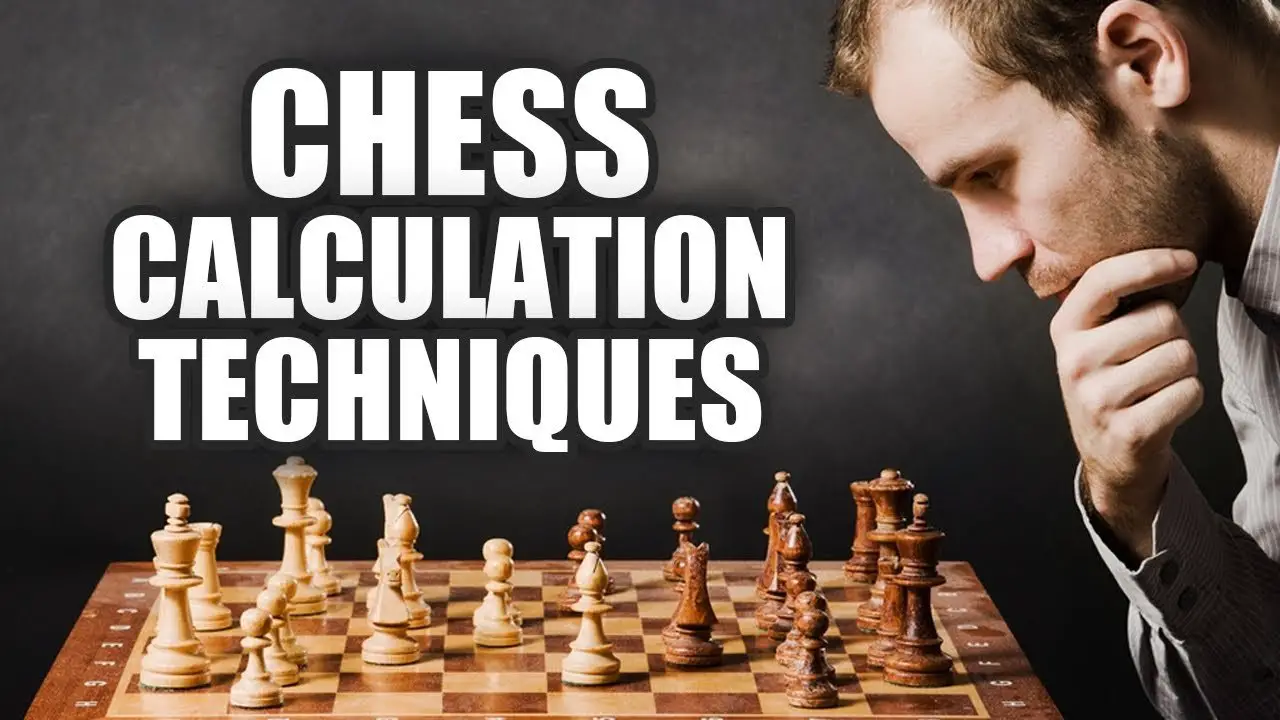
To improve your analytical skills in chess calculation. Practice consistently by solving tactical puzzles & reviewing your games critically. Focus on visualizing potential moves & their consequences by using a board To appreciate different positions. Break down complex positions into manageable elements. Considering key patterns & threats. Engaging in regular analysis of master games enhances…
-
Horse Chess Piece: Understanding the Knight’s Moves
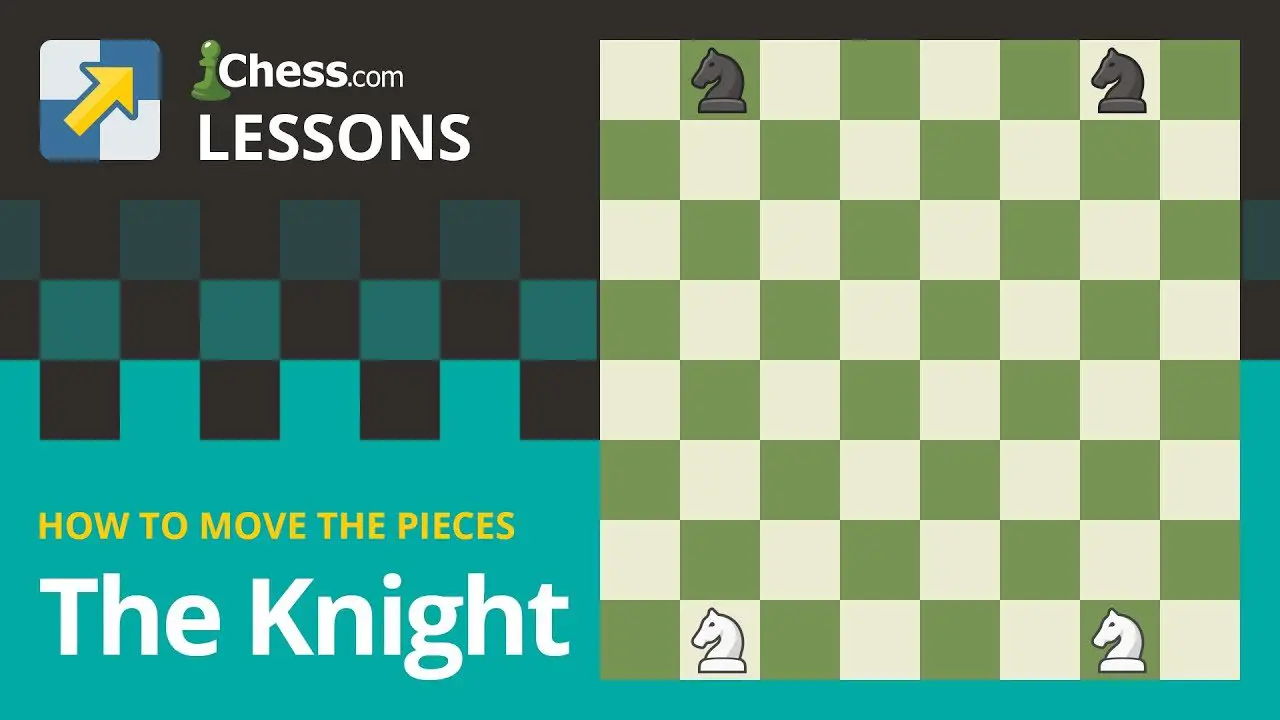
The knight in chess moves in an Lshape: two squares in one direction & then one square perpendicular. Or vice versa. This unique movement allows it To jump over other pieces. Making it a versatile piece in both offense & defense. Positioned strategically. The knight can control The board by attacking multiple squares while avoiding…
-
Best Chess Strategy: Key Tactics for Winning the Game
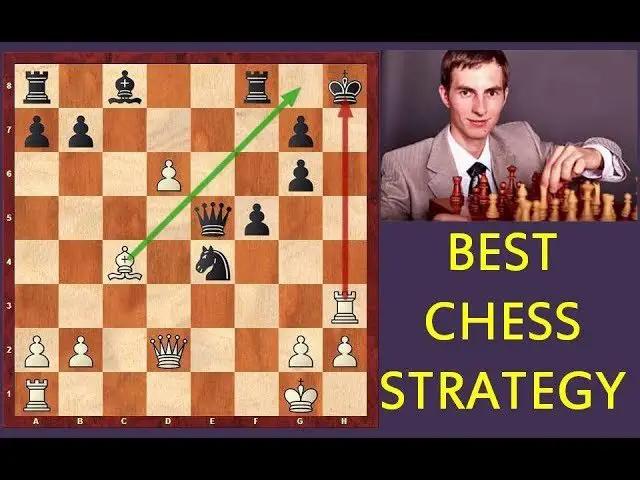
Mastering chess requires understanding key tactics like controlling The center. Developing pieces efficiently, & ensuring king safety through castling. Utilize tactics such as forks. Pins, & skewers To gain material advantage. Always anticipate your opponent’s moves & think multiple steps ahead. Learn To recognize patterns & combinations. Allowing you To exploit weaknesses in your opponent’s…
-
Pokemon Auto Chess: When Pokemon Meets Chess Strategy
Pokemon Auto Chess merges The beloved world of Pokémon with strategic board gameplay. Creating a dynamic experience where players assemble teams of Pokémon & position them on a chesslike grid. Each Pokémon comes with unique abilities & synergies. Requiring players To think tactically about placements & combinations. The game emphasizes strategic depth. As players must…
-
Tournament Chess Set: Equipment for Competitive Play
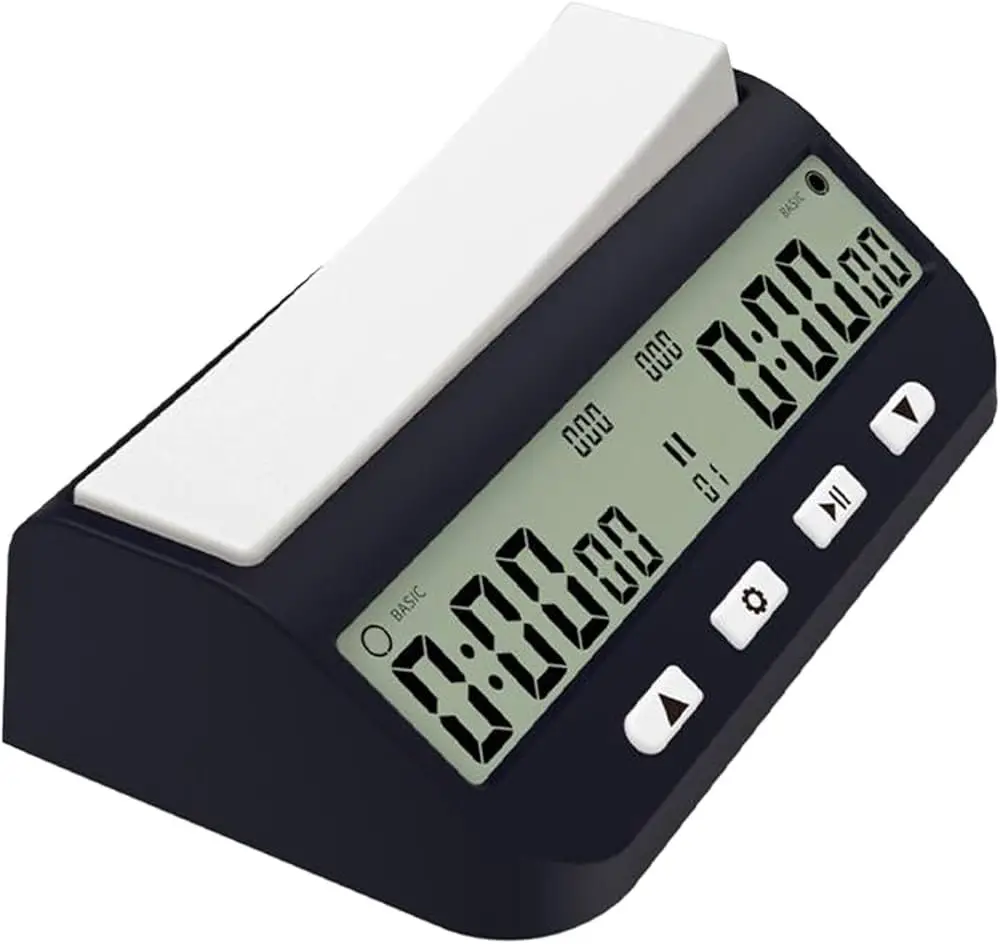
A Tournament Chess Set is essential for competitive play. Featuring a durable board & highquality pieces that meet international standards. Typically made from sturdy materials. It ensures longevity & consistency in tournaments. The pieces are often weighted for stability. While The board is usually portable. Allowing for easy setup & transportation. Additionally. The set often…
-
Chess Battle Advanced: Complex Strategies
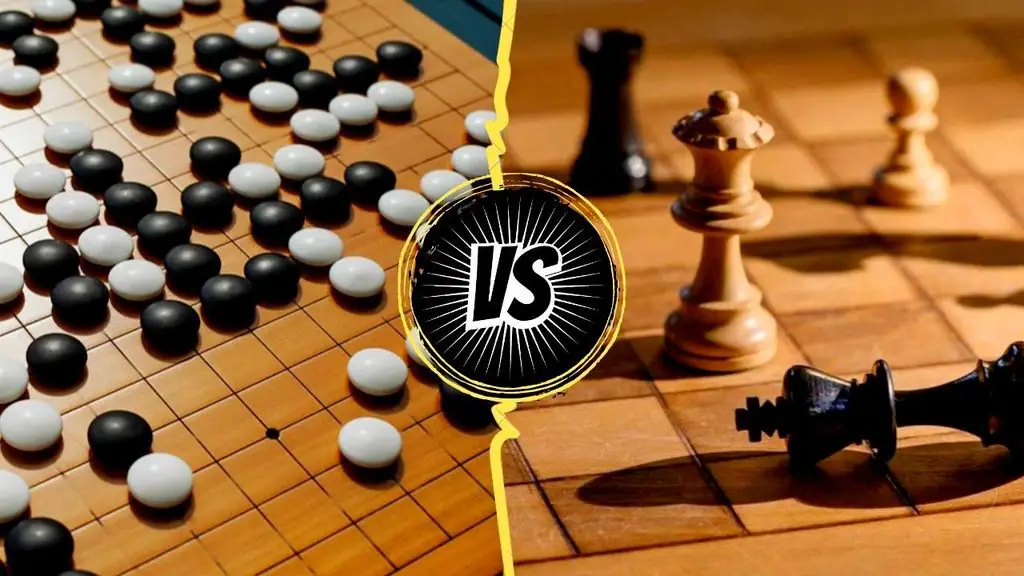
Advanced chess battles involve multifaceted strategies that blend tactical foresight with psychological manipulation. Players must master openings. Exploiting tempo & piece activity while anticipating opponent responses. Tactical motifs like forks. Pins, & skewers are pivotal. Alongside understanding positional elements such as pawn structure & weak squares. Sacrifices can create dynamic imbalances. Shifting The burden of…