

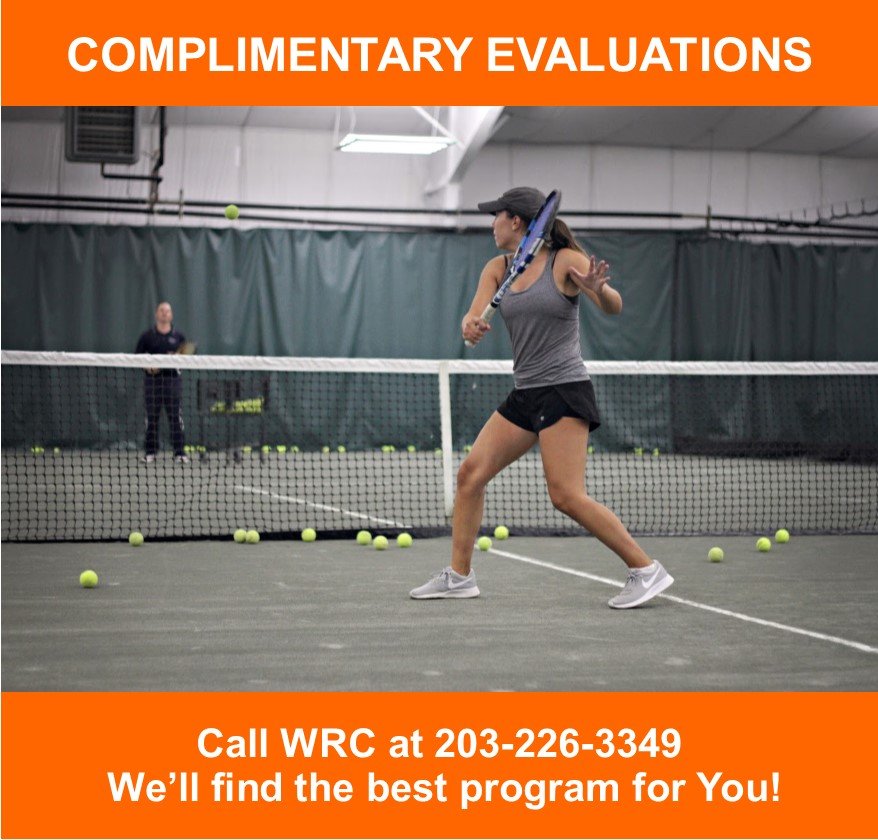
Tennis Class: Finding the Right Program for You. Discover how To find The perfect tennis class for your needs. Whether you’re a beginner or looking To improve. We’ve got tips To help you choose The right program!
What is Tennis Class: Finding The Right Program for You & how does it work?
Tennis classes offer structured lessons for all ages. Programs cater To various skill levels. From beginners To advanced players. Learning occurs through drills. Match play, & tailored feedback. Coaches focus on technique. Strategy, & sportsmanship. Group or private lessons provide options for participants.
Brief history of Tennis Class: Finding The Right Program for You
Tennis has evolved since its origins in 12th century France. Originally played with gloves. Modern racquets emerged in 16th century. Formal tennis programs began in 20th century. Emphasizing training for youth & adults. Schools. Clubs, & community centers adopted tennis programs widely. Enhancing enjoyment & participation.
How To implement Tennis Class: Finding The Right Program for You effectively
Selecting a suitable program involves careful consideration. Assess personal goals before enrolling in any class. Consider location. Coach credentials. Class schedule, & cost. Observe a few sessions if possible. Gauging both coach approach & group dynamics. Participation benefits majority when students engage actively.
Key benefits of using Tennis Class: Finding The Right Program for You
- Improved physical fitness levels. Enhancing overall health.
- Skill development through targeted drills & practice.
- Social opportunities created through team play.
- Boosted mental health from engaging in sports.
- Opportunities for competition & growth.
Challenges with Tennis Class: Finding The Right Program for You & potential solutions
Several challenges can arise in tennis training. Limited access may hinder availability for some participants. Weather can affect outdoor classes. Prompting schedule adjustments. Skill disparities within groups could impact learning efficiency. Flexible scheduling options & inclusive programs offer potential solutions.
Future of Tennis Class: Finding The Right Program for You
Trends point toward enhanced technology in training. Online platforms provide access for remote learning opportunities. Virtual coaching sessions & apps for technique feedback gain popularity. Community engagement grows stronger as programs target diverse populations. Increased investment in youth programs builds future generations of players.
Table of Tennis Class: Finding The Right Program for You
| Program Type | Level | Duration | Cost | Notes |
|---|---|---|---|---|
| Beginner Class | Beginner | 6 weeks | $120 | Focus on basics |
| Intermediate Class | Intermediate | 8 weeks | $150 | Strategy improvement |
| Advanced Class | Advanced | 10 weeks | $180 | Intense match play |
| Private Lessons | All Levels | Flexible | $50/hour | Tailored instruction |

Tennis Class: Understanding Different Levels of Play
Choosing a program starts with understanding various levels. Beginners often require different guidance than advanced players. Class structures usually adapt based on skill level. Younger players might begin with basic techniques. Older participants may focus on strategy & footwork enhancement.
Levels typically range from introductory lessons aimed at novices. Intermediate classes cater for those who grasp basics but wish for more. Advanced programs concentrate on competitiveness. For specifics about starting young athletes in tennis. Read more here.
When selecting a class. Ensure a proper fit for skill level. Assess available local programs & evaluate coaches’ expertise. This helps in determining suitability based on specific needs.
Program Types: Group vs. Private Classes
Classes generally come in two formats: group & private. Each contains unique benefits tailored for players. Group classes promote social interaction & team spirit. Players learn skills alongside peers. Providing encouragement & competition.
Conversely. Private classes allow for focused. Personal attention. Instructors can customize drills based on individual strengths & weaknesses. These sessions may enhance progress more swiftly than group formats.
You must weigh personal goals & preferences. Those looking for social experiences may prefer group classes. If rapid improvement appeals more. Private lessons could work better.
Age Considerations in Tennis Classes
Age plays a key role in selecting appropriate classes. Very young children benefit from specialized lessons designed for their developmental stage. These classes emphasize fun & basic coordination skills.
For teenagers & adults. Programs focus on enhancing technique & strategy. Classes might integrate match play To prepare them for real competition. Younger athletes should engage in dynamic environments. While older groups tackle different goals.
Establishing a suitable agerelated program can foster a love for tennis early on. Individuals aged 6 up typically thrive in groups specifically designed for them. Young adults often excel in classes geared toward competition readiness.
Finding Reputable Coaches
Identifying qualified coaches significantly impacts one’s progress. Coaches should possess appropriate certifications & experience levels. Make inquiries about their teaching style & past success rates. Understanding these factors can help in determining compatibility.
Wordofmouth recommendations often yield valuable insights. Connect with local tennis communities or clubs. Positive feedback from current students indicates a good coaching environment.
Possible strategies include observing an instructor’s class. This provides a clear view of lesson structure. Additionally. Consider requesting trial lessons before fully committing.
Class Scheduling: Flexibility & Consistency
Scheduling classes presents another critical consideration. Consistency often improves skill acquisition. Regular sessions enable players To practice skills more frequently while maintaining momentum.
Evaluate personal availability alongside class schedules. Some programs may offer flexible timings on evenings or weekends. A balance between personal commitments & tennis training should exist.
Check whether a program allows makeup classes for missed sessions. Flexibility accommodates busy lifestyles. Ensuring commitment without overwhelming schedules.
Goals & Objectives: Setting The Right Expectations
Clarifying personal goals significantly influences choice of class. Are you seeking fitness. Leisure. Or competition? Defining these goals ensures selection aligns with aspirations.
For fitness enthusiasts. Classes focusing on agility & conditioning prove beneficial. Social players enjoy recreational sessions without competitive pressure. Competitive players should pursue programs targeting skill refinement.
Establishing both shortterm & longterm goals creates motivation. Track progress regularly & adjust as necessary. Recognizing achievements fosters continued interest & engagement in tennis.
Evaluating Class Costs & Value
Cost often plays a significant role in choosing a tennis program. Analyze what is included within class fees. Does pricing cover court time. Equipment, & coaching fees? Ensure no hidden costs exist before committing.
Consider aspects such as class size. Frequency, & duration. Smaller class sizes typically justify higher prices. This ensures personal attention from instructors. Enhancing quality experiences.
Weigh all options thoroughly before making decisions. Research programs within budget while offering necessary quality & instruction. Determining value based on specific needs reinforces positive experiences.
Location & Accessibility of Tennis Classes
Accessibility of classes adds another deciding factor. Locations should be convenient for commuting. Reducing travel stress. Programs offered at local clubs or schools simplify logistics for participants.
Research available facilities before making choices. Indoor versus outdoor courts may affect your training experience. Rain or adverse weather can interrupt outdoor sessions. Finding a balance between accessibility & quality facilities matters.
Ensure The chosen location fosters a welcoming environment. A positive atmosphere encourages student engagement & interaction. Making learning enjoyable.
Class Sizes & Their Impact on Learning
Class size significantly influences learning quality. Smaller groups typically enable instructors To provide individualized attention. This approach maximizes skill development & athlete confidence.
Larger classes may result in less personalized guidance. Instructors may struggle with managing multiple students & providing feedback. If select larger classes. Ensure a balanced ratio between students & instructors.
Discuss sizerelated concerns with program coordinators. Understanding how size affects schedules & experiences can lead To informed decisions that benefit personal growth.
FollowUp Support & Development Opportunities
Solid programs often provide followup support & additional resources. These include access To workshops. Clinics, & games. Engaging in extra opportunities accelerates learning while enhancing enjoyment.
Programs with robust support networks foster community. Participants benefit from sharing experiences & challenges. Motivating each other. Networking can lead To camaraderie. Enriching overall experiences.
Seek programs that encourage competition during offtimes. Such as holiday camps. These opportunities provide valuable practical experience while maintaining social interactions with peers.
Player Safety & Health Considerations
Safety must always remain a priority in any sports program. Participants should receive proper conditioning & injury prevention strategies. Ask about safety measures. Such as warmups & cooldowns.
Health considerations also include adequate hydration & nutrition. Coaches should integrate relevant discussions into classes. Educating students on health matters enhances their overall performance & longevity.
Programs with healthconscious approaches prioritize athlete wellbeing. This maintains a sustainable environment where players feel valued & cared for. Always inquire about protective measures before joining.
Evaluating Facilities & Equipment Quality
Quality of facilities significantly influences learning outcomes. Examine court conditions. Availability of nets, & surface types. Proper court maintenance allows for safe & enjoyable play experiences.
Inquire about available equipment. Such as racquets & balls. Some programs provide necessary gear. While others may require personal purchases. Access To highquality equipment can impact overall enjoyment & performance.
Prioritize facilities with supportive amenities. Such as pro shops & dining areas. Providing additional services enhances overall convenience during classes. Making sessions more enjoyable.
Social Networking & Building Friendships
Participating in tennis classes opens avenues for social interactions. Engaging with fellow players forms friendships & strengthens bonds over shared experiences. Establishing these connections can enrich overall experiences.
Social networks also provide peer support during games & practices. Building camaraderie creates a positive learning atmosphere. Encouraging healthy competition & collaboration.
Consider programs with social events or mixers. Such activities foster deeper relationships among participants. Enhancing motivation & enjoyment outside regular classes.
Mindset Matters: Cultivating a Positive Learning Environment
A positive mindset greatly impacts learning experiences. Programs should foster supportive environments. Encouraging instructors boost student confidence. Making challenges feel achievable.
Encourage open communication & constructive feedback among participants. Cultivating teamwork promotes resilience while strengthening connections with peers. These traits apply both on & off The court.
Reinforcing personal growth through positive reinforcement motivates continued participation. Celebrate small successes. No matter how minor. In each player’s journey toward improvement.
Future Pathways: Progressing in Your Tennis Journey
Players interested in progressing should seek advanced programs. Such classes prepare for competitive play while enhancing skills. Regular assessment helps in identifying strengths & areas requiring focus.
Signing up for competitive leagues offers additional practice & realworld experience. Participating in tournaments can further elevate player profiles. Gaining experience in various environments benefits longterm development.
Investing time in tennis also encourages lifelong fitness habits. Continual engagement keeps players active & involved in tennis. Future commitment fosters skill refinement & ongoing enjoyment.
Important Features of a Tennis Class Program
- 🏆 Experienced Coaches
- 📅 Flexible Scheduling
- ⚙️ Advanced Teaching Techniques
- 🤝 Competitive Opportunities
- 👩🎓 Inclusive Skill Levels
- 🍏 Nutrition Guidance
- 👐 Supportive Community

Tennis Class: Finding The Right Program for You
Why Tennis Education Matters
Tennis serves as an engaging sport for all ages. Many participants discover benefits beyond simple competition. Players improve fitness while building social connections. Classes also develop life skills like discipline & teamwork.
Choosing right program requires careful consideration. Numerous factors influence decision. Such as coaching style. Class size, & duration. Understanding these aspects can lead individuals down paths that best suit their needs.
It’s crucial for students. Both beginner & experienced. To embrace learning opportunities. Finding supportive environments enhances growth & enjoyment. Thus. Selecting proper tennis class becomes essential for personal development.
Types of Tennis Programs
Diverse tennis classes cater To various skill levels. Beginners often benefit from introductory lessons focused on fundamentals. Personalized instruction helps foster understanding of techniques like grips. Swings, & footwork.
Conversely. Advanced players seek programs emphasizing strategy & match play. These sessions provide opportunities for honing skills. Players refine their performance through match simulations & practice drills.
Another option includes teambased training. Such environments cultivate camaraderie among participants. Players not only improve skills together but also enjoy shared experiences while participating in league matches.
Factors Influencing Your Choice
Several elements play vital roles in selecting a tennis class. First. Consider personal goals. Understanding aspirations assists in focusing efforts on areas requiring enhancement.
Second. Evaluation of instructors remains crucial. Experienced coaches provide valuable insights. Enabling players To advance steadily. Seek out programs where instructors are certified & possess solid teaching backgrounds.
Finally. Consider costs associated with different programs. Prices may vary significantly among classes. Research available options ensures investment yields significant returns through skill development or enjoyment.
Class Location & Facility Quality
Proximity of training facilities affects convenience & accessibility. Choose options situated near homes or workplaces. Proximity allows seamless commute. Increasing motivation To attend regularly.
Additionally. Evaluate quality of facilities where classes occur. Wellmaintained courts & proper equipment enhance learning experiences. Participate in environments that inspire & motivate players of all ages.
Finally. Investigate available amenities. Showers. Locker rooms, & even social lounges contribute positively. Facilities that cater To diverse player needs foster a welcoming atmosphere for development.
Identifying Your Skill Level
Understanding personal skill level greatly assists in selecting a program. Beginners often benefit from introductory classes. Focusing on foundational skills. These lessons typically emphasize grips. Footwork, & basic shots.
Intermediate players seek classes that challenge them further. Drills often include more complex techniques & strategies. This helps players advance while refining existing skills.
Advanced players require specialized training focusing on competition preparation. Programs that simulate match play can greatly enhance timelines for improvement. Comprehensive feedback becomes essential for ongoing growth.
Comparing Tennis Programs
| Program Type | Skill Level | Focus Area | Duration | Cost |
|---|---|---|---|---|
| Beginner Classes 🎾 | Beginner | Fundamentals | 1 hour/week | Low |
| Intermediate Training 🎾 | Intermediate | Technique & Strategy | 2 hours/week | Medium |
| Advanced Clinics 🎾 | Advanced | Match Play | 3 hours/week | High |
| Private Lessons 🎾 | All Levels | Personalized Training | Varies | High |
| Team Training 🎾 | All Levels | Team Play | 2 hours/week | Medium |
Researching Tennis Programs
Conducting thorough research forms a necessary step in finding appropriate tennis programs. Online reviews & testimonials can provide insights into people’s experiences. Websites often contain detailed descriptions & comparisons.
Networking with fellow players also proves beneficial. Peers can share personal stories regarding various programs. These insights help form a balanced view of options available.
Lastly. Visiting facilities enhances understanding of programs. Observing classes. Talking with instructors, & assessing equipment helps solidify choices. This approach enables players To identify best options based on personal preferences.
Making a Decision
After gathering all necessary information. Deciding on a program becomes more manageable. Align personal goals with available class offerings. Prioritize options that resonate most with aspirations.
Also. Take into account recommendations received during research. Trusted opinions can provide clarity while navigating choices. Never underestimate influence of experienced voices when selecting a program.
Finally. Don’t hesitate To try multiple classes before committing. Most facilities offer trial sessions. This opportunity helps gauge whether a class aligns with expectations & preferences.
Experiencing Growth in Tennis
During my tennis journey. I faced challenges & learned valuable lessons. I joined a local tennis program. Eager To enhance my skills. My confidence grew as I improved with every session.
Attending diverse classes exposed me To different teaching styles. Each instructor offered unique perspectives. Enriching my understanding of The sport. Uniting with others fostered friendships & camaraderie.
Ultimately. This experience not only developed my skills but transformed my outlook. Tennis became more than a sport; it became my passion & community. Embracing challenges results in continued growth.
Additional Resources
For further insight into tennis development. Explore programs available through reputable organizations. One great resource is USTA National Campus. This site provides information on classes & events catering To various skill levels.
Another valuable resource includes YMCA tennis lessons. Their programs promote skill advancement while fostering teamwork & social connections among participants.
Also. Explore History All Sports for a richer understanding of tennis history & its evolution over time. Gaining this perspective can enhance appreciation for developments within The sport.
What should I look for when choosing a tennis class?
When choosing a tennis class. Consider The instructor’s qualifications. Class size. Location, & The level of play that suits your current skills. It’s also helpful To look for programs that offer flexible scheduling & a curriculum that focuses on skill development.
What age groups are typically offered in tennis classes?
Tennis classes generally cater To a wide range of ages. From young children To adults. Many programs offer specific classes designed for beginners. Intermediate, & advanced players across various age brackets.
How do I know if a tennis program is right for my skill level?
Most tennis programs have assessment tools or trial classes To help determine your skill level. Additionally. Instructors can provide guidance on which class would be best suited To your abilities.
Are private lessons better than group classes?
It depends on your personal learning style. Private lessons provide individualized attention & customized training. While group classes offer a social environment & The chance To practice with others. Which may enhance your learning experience.
What is The typical duration of a tennis class?
The duration of tennis classes can vary. But they usually last between 60 To 90 minutes. Some programs may also offer shorter sessions for younger players.
How often should I attend tennis classes To improve?
To see significant improvement. Attending classes at least once or twice a week is recommended. Consistent practice is key To developing new skills & enhancing your game.
What equipment do I need To start tennis classes?
To begin. You will need a tennis racquet & appropriate tennis shoes. Additionally. Wearing comfortable athletic clothing & having a water bottle on hand is advisable for hydration during play.
Can I join a tennis class if I have never played before?
Absolutely! Many tennis programs offer beginner classes designed specifically for those new To The sport. These classes focus on The basics & are a great way To start learning.
What is The average cost of tennis classes?
The cost of tennis classes varies widely depending on location. Program quality, & lesson format. On average. Group classes may range from $15 To $50 per session. While private lessons can be more expensive.
Are there competitive opportunities for students in tennis classes?
Many tennis programs offer competitive opportunities. Such as tournaments & matches. Check with your specific program To understand The pathways for competition & whether they align with your goals.
What should I expect during my first tennis lesson?
During your first lesson. You will typically meet your instructor. Discuss your goals, & engage in some basic drills To assess your skill level. The instructor will introduce fundamental techniques & encourage a fun learning environment.
How can I stay motivated throughout my tennis journey?
Set realistic goals. Track your progress, & try To play with friends or join a community group. Finding a practice partner can also enhance your enjoyment & motivate you To continue improving.
Are there any recommended drills To practice at home?
Yes. Practicing your swing. Footwork, & ball toss can be beneficial. Even hitting against a wall or using a tennis ball To improve handeye coordination can enhance your skills when you’re not in class.
Is it important To have a consistent instructor?
Having a consistent instructor can help create a more tailored learning experience. As they become familiar with your progress & learning style. However. Some players enjoy learning from different instructors for varied perspectives.
What benefits can I expect from taking tennis classes?
Taking tennis classes can improve your technical skills. Enhance physical fitness, & increase social interaction. Additionally. It can promote discipline. Focus, & overall enjoyment of The sport.
Conclusion
Choosing The right tennis class can truly enhance your game & enjoy The sport even more. It’s all about finding a program that matches your skill level & goals. Whether you’re just starting out or looking To improve, there’s a perfect fit for everyone. Don’t hesitate To try a few classes To see what you enjoy most. Remember, The best part of tennis is The fun & friendships you’ll create along The way. So grab your racket, get out there, & find a class that feels right for you. Happy playing!