

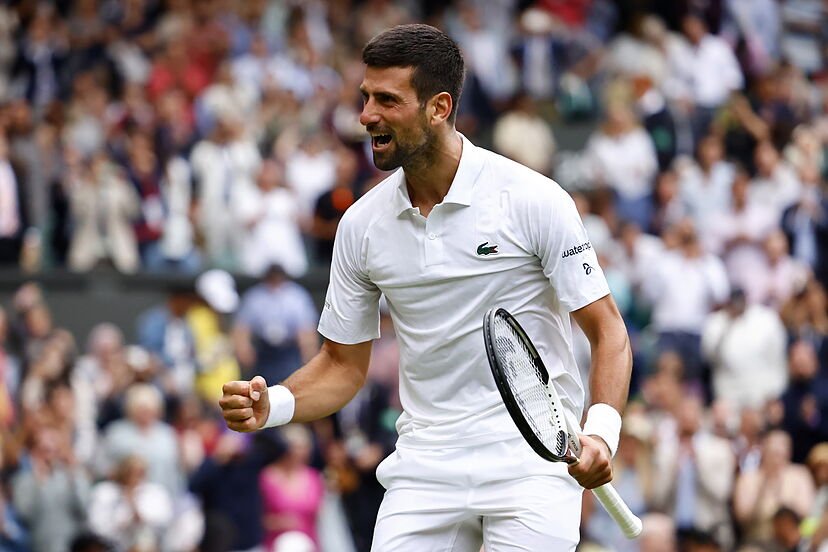
Understanding Walkovers in Tennis: Significance and Effects on Matches and Players. Discover The impact of walkovers in tennis & how they affect players & matches. Learn why they matter & what they mean for The game!
What is Understanding Walkovers in Tennis: Significance & Effects on Matches & Players & how does it work?
Walkovers occur when a player cannot compete. Reasons vary. Including injury or personal issues. In such cases. Opponents advance automatically. Walkovers affect rankings & tournament dynamics significantly. Players face psychological effects due To unexpected outcomes. Determining key causes helps improve players’ preparations.
Brief history of Understanding Walkovers in Tennis: Significance & Effects on Matches & Players
Walkovers have existed since tennis began. Historical accounts document instances affecting major tournaments. Early rules did not define walkovers clearly. Over years. Regulations evolved emphasizing fairness. Significant events shaped how walkovers influence matches & players. Changes reflect player welfare & competitive integrity.
How To implement Understanding Walkovers in Tennis: Significance & Effects on Matches & Players effectively
Players must focus on physical & mental health. Regular check-ups aid in identifying issues early. Coaches play a vital role in ensuring readiness. Communication among players. Coaches, & organizers promotes clarity. Developing robust support networks can minimize occurrences.
Key benefits of using Understanding Walkovers in Tennis: Significance & Effects on Matches & Players
- Encourages players’ health awareness.
- Prioritizes mental well-being during competitions.
- Maintains tournament integrity & fairness.
- Allows opponents time for recovery.
- Reduces unexpected disruptions during events.
Challenges with Understanding Walkovers in Tennis: Significance & Effects on Matches & Players & potential solutions
Players may struggle with external pressures. Expectations can lead To forcing participation despite injuries. Organizers face difficulties in managing last-minute withdrawals. Implementing education programs helps address these challenges effectively. It encourages players & support staff awareness of health priorities.
Future of Understanding Walkovers in Tennis: Significance & Effects on Matches & Players
Developing technology could enhance monitoring player conditions. Wearable devices might track fatigue levels accurately. Future tournaments might integrate health data into their criteria. This evolution aims for smarter management of player participation. Continuous dialogue will shape policies enhancing player experiences.
Table of Understanding Walkovers in Tennis: Significance & Effects on Matches & Players
| Factor | Impact | Possible Solutions |
|---|---|---|
| Player Health | Directly affects performance | Regular assessments |
| Psychological Pressure | Might lead To injuries | Support groups |
| Tournament Management | Challenges with withdrawals | Clear policies |

Understanding Walkovers in Tennis
Walkovers can significantly impact matches & players. This term refers To instances where one player cannot compete against another due To various reasons. Including injury or personal circumstances. These events can alter tournament dynamics. Influencing not just competitors but fans & organizers as well. For further insights into walkovers in tennis. Check out this detailed article.
Definition & Explanation
A walkover occurs when a player receives a bye. Meaning they advance without playing. This situation arises from another player’s inability or unwillingness To compete. Various circumstances lead To walkovers. With common reasons being health issues. Personal emergencies. Or logistical problems.
The impact of a walkover can be multifaceted. Players who receive walkovers may benefit from advancing rounds without exerting effort. On The other hand. Players unable To participate may face emotional & physical setbacks. Such outcomes remain crucial in tournament play & overall competitive standings.
Notably. Walkovers differ from retirements or default situations. A retirement involves a player stopping midmatch due To injury or illness. In contrast. Defaults typically result from rule violations. Understanding these distinctions helps fans & players alike navigate competitive landscapes more effectively.
Reasons for Walkovers
Multiple factors contribute To walkovers in tennis. Some of these reasons stem from injuries sustained before matches. For instance. A player might experience a severe physical ailment. Preventing them from competing. Falling ill right before a match also leads To many walkovers.
Another common contributor involves personal matters. Players may encounter family emergencies. Travel issues. Or scheduling conflicts. Such scenarios emphasize how life outside sport can affect professional athletes & their performance. Furthermore. Players may optimize their health & rest in anticipation of future tournaments & matches.
Additionally. Sometimes players withdraw due To fatigue. Competing in consecutive matches can drain energy levels. Which could lead players To conserve their physical resources. In these instances. A walkover becomes a strategic decision. Highlighting players’ commitments To their longerterm careers.
Impact on Players’ Rankings
Walkovers affect players’ rankings significantly. When an athlete receives a walkover. They often gain points without playing. This outcome can alter ranking positions. Impacting seedings in future events. Maintaining favorable rankings remains crucial for securing entry into tournaments.
The opposite situation occurs for players who cannot compete. Their inability To show up results in no points earned. Possibly causing a drop in rankings. This dynamic creates a ripple effect throughout tournaments & future competitions. Maximizing importance in competitive sports landscapes.
Furthermore. Walkovers might influence players’ confidence. Successfully advancing due To a walkover can lead To an inflated sense of security. By contrast. Regular walkovers for a player can result in decreased morale & feelings of incapability. This psychological aspect underscores how physical sport intertwines with mental health in players.
Strategic Considerations for Players
Players must navigate The complexities of The competition ecosystem with care. Understanding when To withdraw from a match can greatly influence longterm performance. Prioritizing health & wellbeing is vital. Allowing athletes To focus on sustainable careers.
Moreover. Strategic decisions around competing also affect sponsorship & fan engagement. Athletes who provide consistent performance tend To attract more engagement & financial support. Frequent withdrawals may alienate fans or sponsors. Illustrating how walkovers could extend beyond just a match.
Players often also have teams who guide in decisionmaking processes. Coaches advise on performance. Rest, & health management. They analyze situations surrounding competitions. Helping athletes make informed choices about walkover scenarios.
Impact on Spectators & Fans
Walkovers have significant implications for spectators. Fans invest time. Money, & emotion into attending matches, & cancellations disrupt their experiences. A walkover can lead To disappointed fans who expect thrilling matches that may no longer occur.
Moreover. Events filled with walkovers can create disengagement among fans. Watching players fail To compete might lead audiences To seek alternative entertainment options. This disengagement could harm overall attendance rates & viewership over time.
On a more positive note. Fans benefit from The consistent performance of their favorite players. Frequent walkovers could lead To increased anticipation for better matchups down The line. Even with cancellations. The thrill of competition remains as fans eagerly anticipate future battles on The courts.
Effects on Tournament Dynamics
Tournaments face unique challenges in managing player withdrawals. An unexpected walkover impacts scheduling. Potentially leading To delayed match scenarios. Rescheduling can cause confusion & frustration for players & organizers alike.
Furthermore. Walkovers can alter The trajectory of a tournament. Players benefiting from walkovers may face less competition. Allowing them To maintain energy levels. This situation can lead To unexpected outcomes. Especially when topranked players face off against those who haven’t had a strenuous path.
In short. Managing tournaments effectively amid walkovers forms an essential skill for organizers. Developing contingency plans helps ensure spectators’ & players’ experiences remain as seamless as possible. Regardless of unforeseen issues.
Historical Context of Walkovers in Tennis
Walkovers have shaped tennis history vastly. Events featuring legendary players often include instances of walkovers. Impacting legacies. Early records show that injuries & problems affected competitors long before modern sports science advanced.
Noteworthy matches involving walkovers have created talking points among fans. Historical analysis reveals how competitive integrity defines many events. Walkovers leave an imprint in The collective memory of tennis. Shaping narratives surrounding significant tournaments.
Moreover. Discussions around walkovers remain prevalent in various forums. Analysts & commentators provide diverse perspectives on how such instances affect match outcomes. They examine historical contexts underscoring broader cultural implications tied To walkovers.
Common Misconceptions About Walkovers
Misunderstandings often surround walkovers. One common belief revolves around players intentionally avoiding competition. However. Circumstances leading To walkovers almost always stem from genuine issues. Such as injuries or personal emergencies.
Another misconception implies that walkovers favor those remaining in contests. While advancing without a match may seem advantageous. The psychological component cannot be overlooked. Players who receive walkovers might grapple with concerns about their capabilities upon facing tougher opponents.
Additionally. Beliefs about unfair advantages arise when examining walkovers. Critics occasionally question if some athletes strategically navigate matches. However. Understanding The varied reasons behind walkovers ensures that observers remain aware of complexities defining competitive sports.
Prevention Strategies
Players & teams can adopt several strategies To minimize walkovers. Through proper training regimens. Athletes can bolster stamina & resilience. Core physical conditioning helps in reducing injuries. Thereby lessening instances of walkovers.
Integrating mental health practices also aids in athlete preparation. Coaches & psychological support teams emphasize The importance of mental toughness. Preparing mentally for competition becomes crucial in maintaining a healthy mindset amidst pressures of professional sports.
Furthermore. Managing schedules wisely contributes significantly To preventing walkovers. Prioritizing adequate rest between matches allows athletes To recover fully. A wellstructured competition calendar helps avoid fatigue & potential withdrawals.
Future of Walkovers in Tennis
The future regarding walkovers within tennis remains an area for ongoing exploration. With advancements in sports science & medicine. Player health management continues evolving. Enhanced recovery techniques might lead To fewer walkovers in upcoming years.
Technological innovations also play a role. Data analytics can assist in monitoring players’ workloads. Predicting potential injuries before they manifest. Additionally. This continued evolution may highlight The importance of fostering strong managerplayer relationships.
Moreover. Discussions about walkovers may look different as sports evolve. Engaging with fans & stakeholders might influence how walkovers are perceived. Transparency regarding reasons behind walkovers fosters understanding & helps mitigate negative impacts.
Walkovers in Betting Contexts
For sports betting enthusiasts. Walkovers represent significant factors. Understanding how walkovers can shift odds plays a crucial role in developing betting strategies. This change can result in unexpected outcomes that deviate from earlier assessments.
Curating betting strategies around walkovers requires knowledge of players’ histories. Betting markets must adjust quickly when walkovers occur. Impacting odds & potential payouts. These dynamics emphasize The need for bettors To remain agile & informed.
Furthermore. Monitoring potential walkovers proves essential. Keeping an eye on injury reports & competitive landscapes can enhance decisionmaking processes. As bettors analyze various scenarios. Incorporating walkover knowledge adds depth To betting strategies.
Conclusion About Walkovers
Understanding walkovers transcends simple definitions & impacts players. Tournaments, & fans alike. They introduce layers of complexity. Requiring detailed navigation of The sports world. Mastering knowledge about walkovers fosters adaptation within this everchanging environment.
Key Features of Walkovers in Tennis
- 🤕 Can result from player injuries
- ⏳ Affects match schedules
- 📉 Influences player rankings
- 🎟️ Disrupts consumer expectations
- 📊 Affects betting strategies
- 🚑 Links directly To player health
- ⚖️ Raises questions on competitive integrity

Understanding Walkovers in Tennis
Walkovers hold substantial significance in tennis. A walkover occurs when a player cannot compete due To various reasons. Often. Such situations arise from injuries or personal issues. Understanding this term plays a critical role in grasping match dynamics.
The ramifications of walkovers extend beyond just match outcomes. Players facing withdrawal gain direct entry into next rounds. This scenario impacts overall tournament structure. Fans & players often experience confusion regarding these scenarios. Clarity about walkovers can improve fans’ understanding of game dynamics.
This phenomenon also affects ranking systems. Players receiving walkovers may receive adjusted ratings. Consult this resource for insights on walkovers. Withdrawals, & their impacts on UTR ratings. Exploring these details enhances knowledge of tennis regulations. External factors play a crucial role in determining match results.
Reasons for Walkovers
Injuries
Injuries represent a common cause for walkovers. Players often push physical limits during competitions. Such strain can lead To unforeseen injuries. Forcing them out. Athletes prioritize health over playing through pain. Therefore. Withdrawing from matches becomes essential.
Physical therapy enhances recovery but consumes time. Some athletes may choose early withdrawals over worsening injuries. Chronic conditions. Too. May prompt withdrawals. Professional athletes understand risks involved with physical sports. Thus. Their decisions reflect a serious commitment towards overall wellbeing.
Personal Issues
Personal issues expand beyond just physical health. Players sometimes face family emergencies or personal crises. These situations might compel individuals To withdraw from matches. Maintaining focus amidst personal turmoil can become increasingly difficult.
Media scrutiny heightens during highstake tournaments. Players feel immense pressure. Making personal excuses difficult. Press conferences or public statements may reveal few details. Respecting players’ privacy remains crucial even during troubled times.
Travel & Logistics
Travel complications can significantly affect match participation. Timely arrivals often depend on various external factors. Flight delays. Weather conditions. Or transportation problems lead To missed matches. Such instances force players. Despite their readiness. To withdraw.
Scheduling conflicts also arise during densely packed tournaments. Livelihoods hinge on planning various commitments efficiently. Players must balance scheduling while fulfilling tournament obligations. Walkovers involve a myriad of uncontrollable factors impacting overall competition.
Impacts of Walkovers on Matches
Match Dynamics
Walkovers can alter match dynamics dramatically. Fans come expecting thrilling contests; sudden withdrawals disrupt anticipation. Players preparing mentally for opponents face unforeseen adjustments. Emotions fluctuate among athletes who rely on chemistry built through competition.
Moreover. Some athletes thrive under pressure. When opponents withdraw. Athletes miss opportunities for valuable experience. Such experiences enhance skills essential for competitive play. Healthy competition fosters growth; walkovers disrupt this essential process.
Audience Experience
The audience’s experience suffers significantly when walkovers occur. Fans invest time & resources attending matches. Suddenly learning of a player’s withdrawal leads To disappointment. This feeling resonates deeply. Particularly for loyal supporters.
Viewing audiences miss excitement derived from anticipated competition. Media coverage highlights criticisms surrounding walkovers across sports narratives. An understanding among fans regarding these scenarios fosters adjustment. Allowing them room for empathy.
Financial Consequences
Financial implications accompany walkovers. Impacting players & organizers. Tournament organizers face challenges with ticket sales & gate revenue. Sudden changes influence overall attendance rates & forecasted income. Ironically. Investing in athlete promotion bears risk.
Individual players may lose out on participation incentives or prize money. Such situations lower overall rankings. Stunting professional advancements. Competing athletes remain acutely aware of these factors. Often prioritizing financial stability.
Effects on Players
Psychological Impact
Psychological aspects surround The situation when an athlete withdraws. Internally. Players grapple with emotions like guilt or disappointment. Personal setbacks lead To selfdoubt. Affecting future preparations. Psychological mechanisms influence overall wellbeing & performance.
An understanding of mental health becomes increasingly important in sports conversations. Athletes must learn To cope with pressures stemming from both performance & expectations. Various mental training programs help players manage psychological burdens effectively. Contributing positively toward longterm growth.
LongTerm Career Effects
Walkovers can profoundly influence an athlete’s longterm career. Frequent withdrawals might spark concerns regarding reliability. As a result. Sponsors & endorsements become increasingly hesitant. Media portrayals may shift towards negative perspectives when athletes fail To compete.
More experienced players often deal with these consequences seamlessly. Learning how best To manage withdrawals aids in navigating future career pathways. Younger athletes require mentorship To understand impacts thoroughly while fostering personal growth.
Reputation within The Sport
Reputation becomes a nuanced issue surrounding walkovers. Fans & professionals alike hold varying perceptions of players who withdraw. Some may view it as responsible behavior; others see weakness or unprofessionalism. Balancing personal priorities against professional obligations creates a complex dichotomy.
Surviving criticism requires resilience in players’ mental approaches. Consistent performance strengthens reputations. Allowing room for occasional setbacks. A strong legacy often relies on balancing commitments. Revealing true character in balancing priorities.
Comparison of Walkovers. Retirements. Withdrawals, & Defaults
| Term | Description | Player Effect | Match Impact | Typical Reason |
|---|---|---|---|---|
| Walkover 🤷♂️ | Player cannot compete due To uncontrollable issues. | Advancement without play. | Direct advancement for opponent. | Injury or personal reasons. |
| Retirement 🏃♂️ | Player withdraws during match. | Points may be awarded based on performance. | Match ends abruptly. | Injury or exhaustion. |
| Withdrawal 🚪 | Player announces absence before competition. | No match points awarded. | Scheduled matches altered. | Injury or illness. |
Understanding Walkovers in Context
Occurrences in Professional Tennis
Professional tennis encounters walkovers consistently through tournaments. Highpressure situations often lead To unpredictable outcomes. Players may face various external factors affecting performance. Observing this reality helps fans grasp deeper sports narratives. Understanding occurrences enables appreciation for athletes’ resilience amidst adversities.
Critical moments during tournaments highlight implications of withdrawals. For example. A major tournament may witness multiple walkovers. In these cases. Analyzing player performances before withdrawals adds valuable context. Fans following sports must comprehend how regular discussions surround such terms enhance knowledge.
Lessons from Historical Walkovers
Various historical instances demonstrate lasting impacts of walkovers. Looking back reveals key moments shaping individuals’ careers. Specific tournaments may highlight critical decisions leading up To significant withdrawals. Fans exploring these moments gain profound insights into tennis history.
Missing a single match can alter athletes’ trajectories. Tracking various players through their careers reveals numerous paths impacted by these decisions. Observing patterns uncovers teaching moments for aspiring athletes committed To excelling.
Future Considerations
Future approaches towards walkovers may redefine professional standards. Monitoring athlete wellbeing remains essential during competitions. As sports explore holistic views. Ensuring mental & physical health may become priorities. Training programs should focus equally on physical prowess & mental resilience.
Moreover. Governing bodies could evaluate policies surrounding cancellations. Standardizing criteria regarding player withdrawals creates transparency for fans & organizers alike. Promoting this approach fosters understanding among fans invested emotionally in competitions.
Overall. Anticipating walkovers promotes thoughtful discussion surrounding their implications. Recognizing impacts on players & audiences enhances appreciation for unfolding stories within competitions.
My personal experience with walkovers influenced my understanding of tennis deeply. Witnessing a favorite player withdraw due To injury changed my perspective.
What is a walkover in tennis?
A walkover occurs when a player fails To appear for their scheduled match or is unable To compete due To injury or other reasons. This results in The opposing player receiving a free pass To The next round.
What causes a player To receive a walkover?
Walkovers can be caused by a variety of factors including injuries. Illness. Personal emergencies. Or failure To arrive at The venue on time.
How does a walkover affect tournament schedules?
Walkovers can impact The flow of The tournament schedule. Potentially leading To delays & adjustments in match timings for subsequent rounds.
Do walkovers count as official matches?
Walkovers do not count as official match wins or losses for The player who receives The walkover; however. They may be recorded for statistical purposes.
Can a player request a walkover?
Players cannot formally request a walkover; it is determined by their ability To compete. If a player is unable To play. The match is considered a walkover by default.
What are The implications for The player who receives a walkover?
A player who receives a walkover advances To The next round without playing. Which can be beneficial for recovery but may also disrupt match rhythm.
How do walkovers affect a player’s ranking?
Walkovers generally do not impact a player’s ranking. As they do not count as match results. However. Frequent walkovers may raise concerns about a player’s overall fitness.
What is The psychological effect of a walkover on players?
The psychological effect can vary; receiving a walkover can provide a boost in confidence for some. While others may feel frustrated due To lack of competition.
Are walkovers common in professional tennis?
While walkovers are relatively uncommon. They do occur. Particularly in The early rounds of tournaments or when players are dealing with injuries.
What happens if both players are unable To compete?
If both players cannot compete. The match is typically considered a double walkover, & organizers may assess The situation To determine a fair outcome.
How can players prepare To minimize The chances of a walkover?
Players can minimize The chances of a walkover by maintaining good physical health. Planning travel schedules wisely, & addressing any emerging injuries promptly.
What are The rules regarding walkovers in Grand Slam events?
Grand Slam events have specific regulations regarding walkovers. Which include notifying officials & handling seeding adjustments in case of multiple withdrawals.
Is there a penalty for players who withdraw suddenly?
While there is no direct penalty for a walkover. Repeated withdrawals can lead To scrutiny & affect a player’s reputation & future entry into tournaments.
Can tournament organizers prevent walkovers?
Although tournament organizers cannot prevent walkovers entirely. They can implement policies To encourage players To compete & monitor player health closely.
How does a walkover influence The competition among players?
A walkover can create an uneven playing field. Especially if a favored player receives an advantage without competing. Which can affect The overall dynamics of The tournament.
Conclusion
In summary, walkovers in tennis are more than just a hassle for players & fans; they can shift The dynamics of a match & impact The tournament’s flow. Understanding why they happen—whether due To injury or personal reasons—helps us appreciate The challenges athletes face. While they can be disappointing, walkovers remind us that player health & well-being are paramount. As tennis lovers, let’s stay supportive & empathetic, recognizing that every athlete has their own battles To fight, both on & off The court. In The end, it’s all about The spirit of The game.